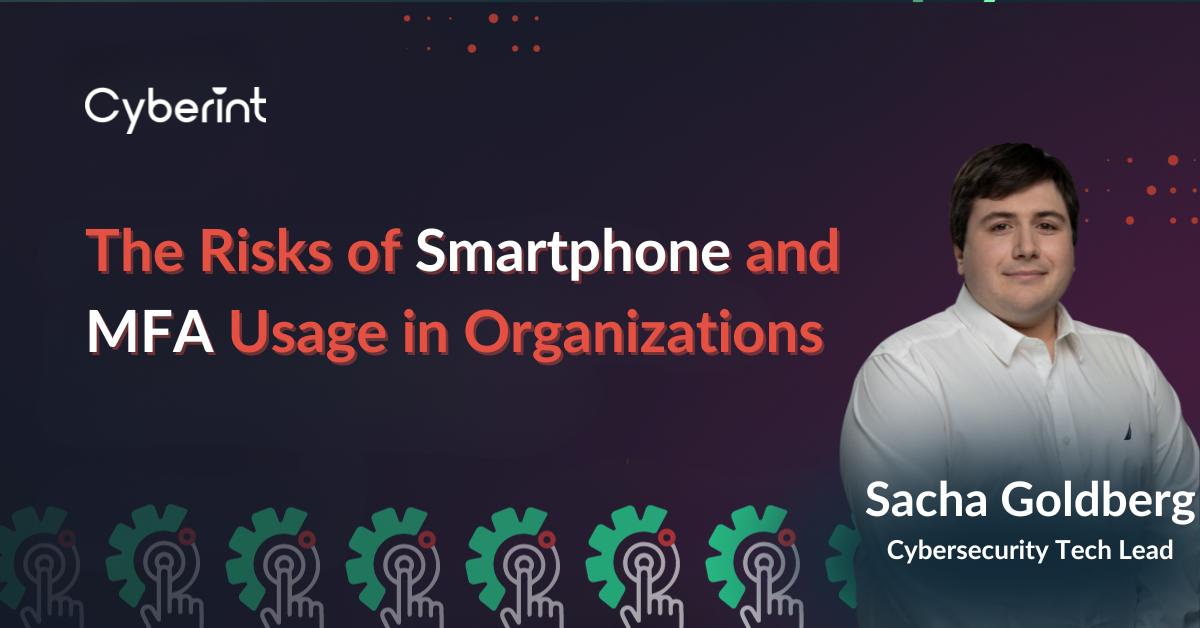


Smartphones have become essential in workplaces for boosting productivity, but they bring their own set of security challenges. Apps like Microsoft Authenticator add an extra security layer, but they also have their vulnerabilities:
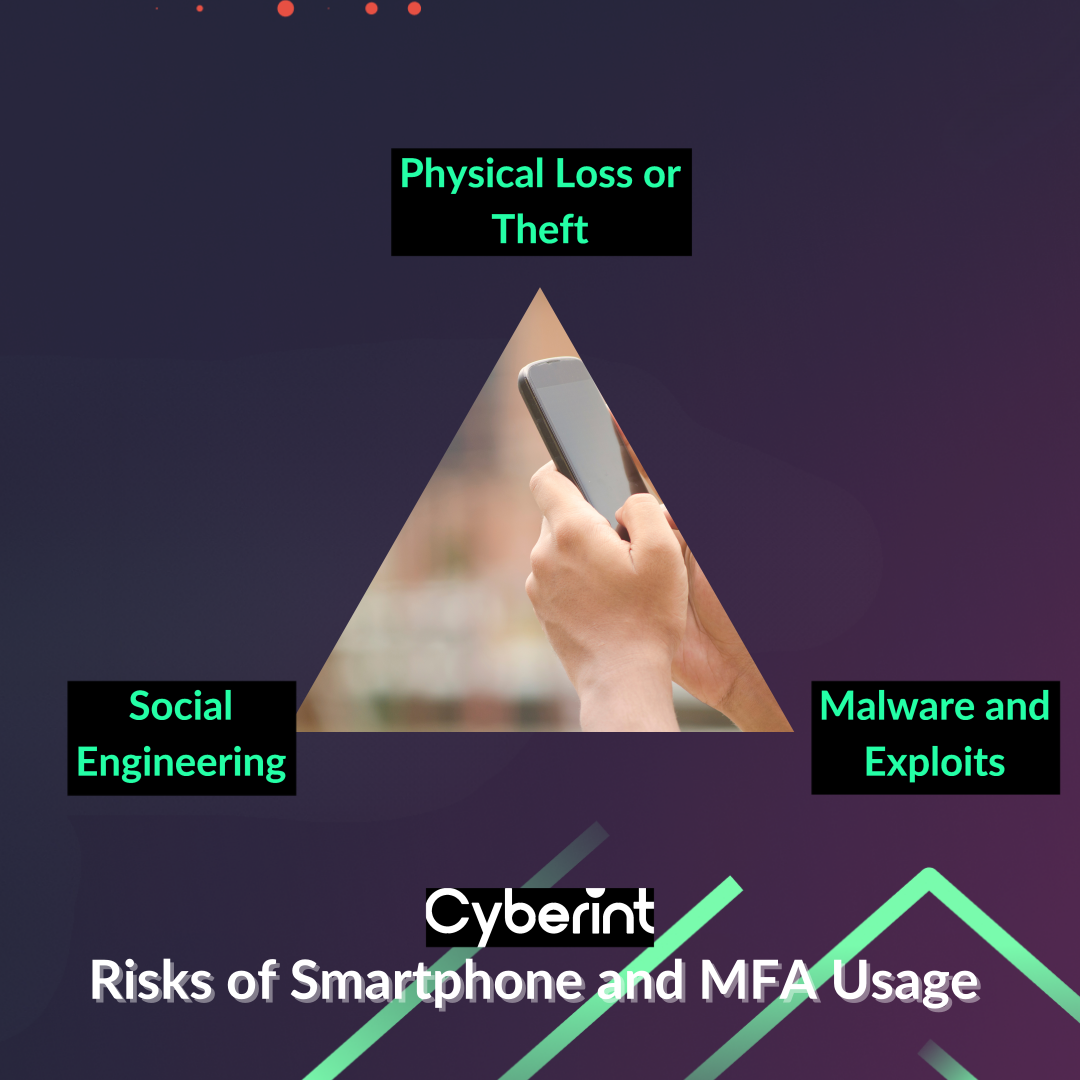
If a smartphone with an app like Microsoft Authenticator is compromised, the consequences can be severe for a company. Unauthorized access to key resources like emails, cloud services, or important databases can lead to data breaches, financial losses, or harm to the company’s reputation. Attackers could also pose as legitimate users to perform illegal actions, access sensitive data, or even delete crucial information.
Installing apps from both official and unofficial app stores introduces additional risks for organizations.
Downloading apps, whether from official sources like the Google Play Store or Apple App Store, or unofficial ones, can be risky for businesses. Even though these official stores have security checks to weed out harmful apps, the threat of malicious or fake apps still exists. Attackers can find loopholes in genuine apps or get around the app store’s security, leading to malware infections or unauthorized access to sensitive data.
A real-world example of this occurred in February 2023 with Twitter. After Twitter made SMS two-factor authentication (2FA) a premium feature, they didn’t recommend a specific 2FA app. This lack of guidance led to scammers promoting fake apps on the iOS App Store, targeting users searching for 2FA solutions. These scam apps appeared legitimate and were free to download, but once installed, they asked users to pay for a subscription and then stole their scanned QR codes.
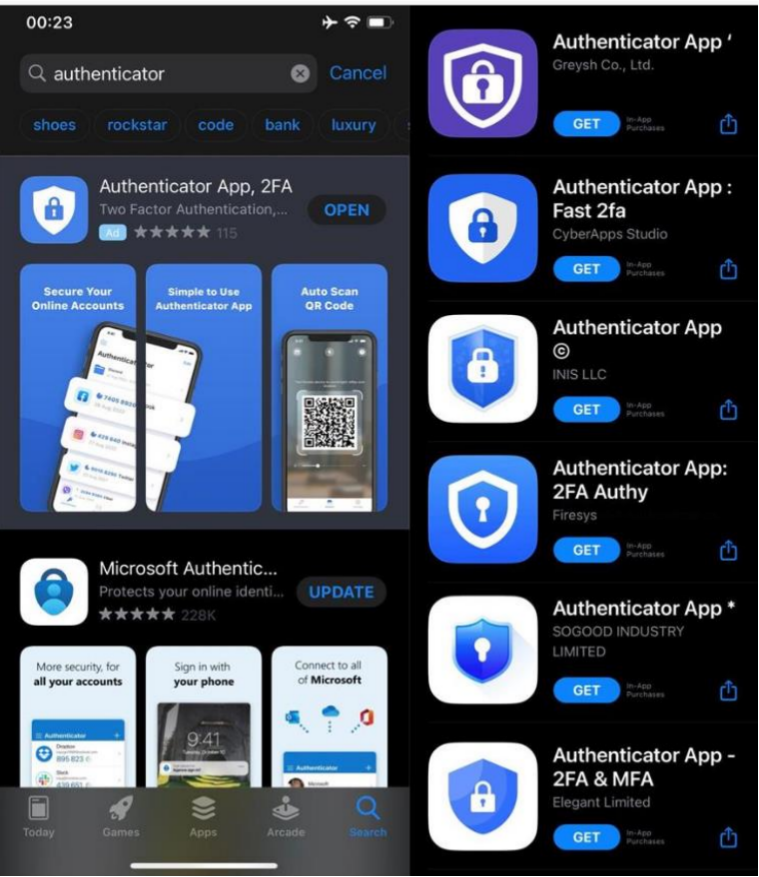
Investigations showed that these scammers were cleverly exploiting the App Store’s search algorithms by releasing the same app under multiple accounts with different metadata. This tactic even got one of their fake apps to rank fifth in the “Authenticator” search results in the US App Store. It’s believed that the scammers also used ad campaigns to boost their apps’ visibility. This incident raises concerns about the safety of even well-regarded app stores like Apple’s, highlighting that fake apps are an ongoing problem.
Unofficial, or third-party, app stores often lack the comprehensive security measures found in official app platforms like Google Play or Apple App Store. This makes them a hotspot for dangerous or altered versions of legitimate apps, increasing the risk of malware infections. Users downloading from these sources might unintentionally put their devices and any connected applications at risk, here are a few examples:
Smartphones offer many benefits in terms of convenience and productivity, but they also introduce unique security challenges. By recognizing and addressing these risks, organizations can develop effective strategies and protective measures to ensure the safety of their sensitive data and resources.


Fill in your business email to start.
In light of these risks, it’s imperative for organizations to adopt a multi-faceted approach to security:
Continuously uncover and mitigate your most relevant known and unknown external risks. With Cyberint’s Attack Surface Management, you gain visibility of your true attack surface – the digital assets you are aware of, the assets you are unaware of, and malicious or rogue assets. Learn more here.